Exploring the Suffolk Virginia Night Sky – Astronomy, Astrophotography, Telescopes, EAA – Planets and Stars and Nebula and Galaxies – Looking, Learning, Sharing… Let's see what we can see…
The Suffolk Sky
---------------
Exploring the Suffolk Virginia Night Sky
Astronomy, Astrophotography, EAA
Planets and Stars and Nebula and Galaxies
Looking, Learning, Sharing...
Let's see what we can see...
03/28/2026 – Quick SeeStar Session – Few Galaxies and a Nebula or Three.
The temperature was cool, in the mid-30s and the sky was clear, but seeing was not great. The 85% waxing Moon was also nice and bright. Not the best conditions, but it has been a minute since I have been able to look up so I set up SeeStar to have a look around. I set up just before dark and once the Sun set I went through the SeeStar EQ Mode polar deviation routine. I executed this and made adjustments 5 or 6 times to get the alignment dialed in. During the session I had very few lost frames. Out of 200 captured frames across 6 different objects I only dropped like 3 frames all night. The stars look nice and round across all the views as well.
I did not have a plan for the night… just wanted to look up some so I just used the SeeStar app to suggest targets. I did end up adding an object, Messier 97, to my SeeStar Messier List.
The images from this EAA session were captured using the SeeStar S50 on a CG5 tripod in EQ Mode using a Sky-Watcher Star Adventurer EQ base. Live stack integrations are from 2 to 20 minutes with no post processing or enhancements performed on the captured images outside of contrast, brightness, and saturation adjustments in the live stack. The images were saved just as observed on the iPad screen in the SeeStar app.
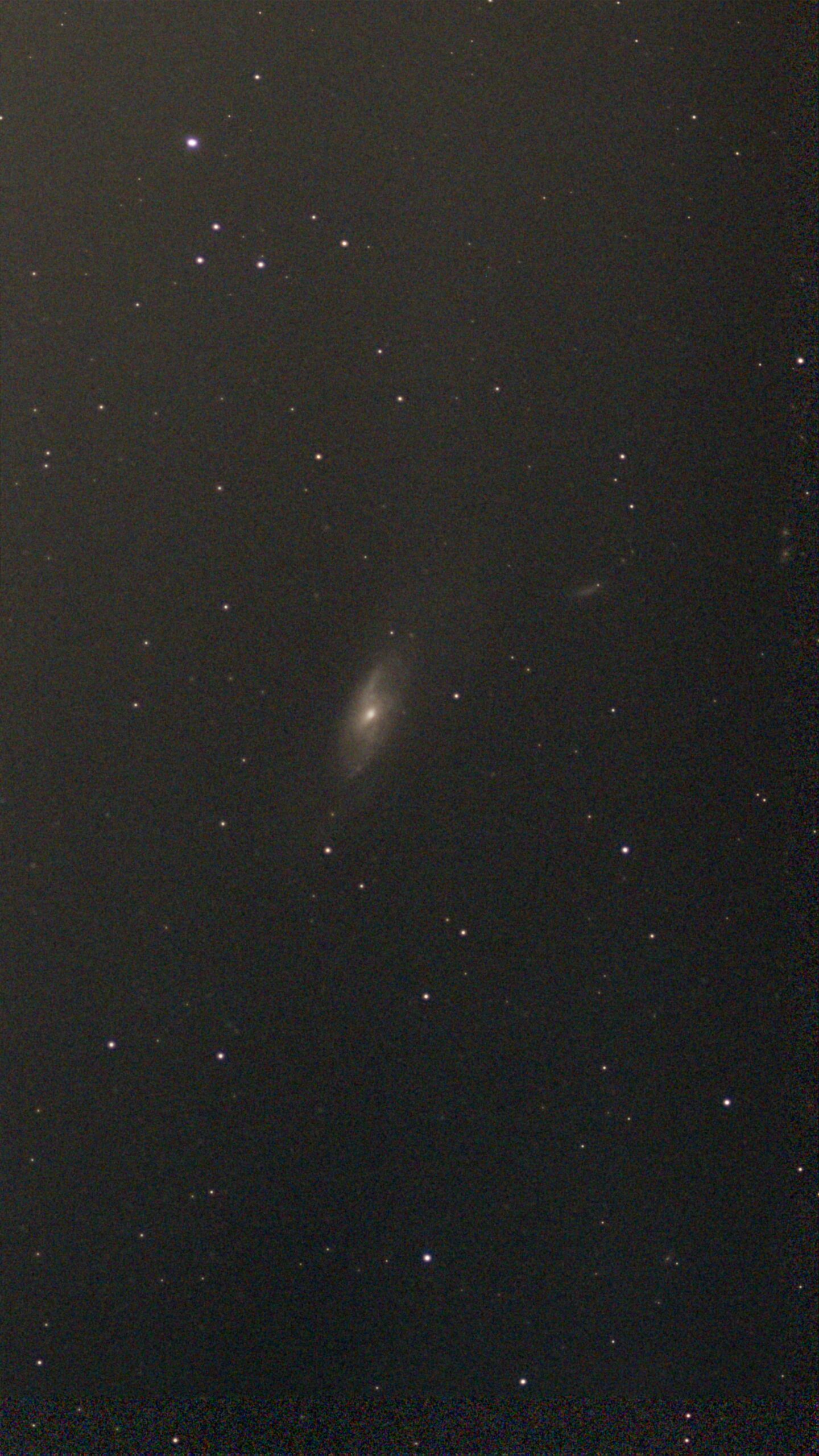
Messier 106 (M106) an intermediate spiral galaxy in the constellation Cane Venatici. M106 about 25 million light-years from Earth. This is a SeeStar live enhancement of 30 x 30 second exposures with the SeeStar IRCUT filter.
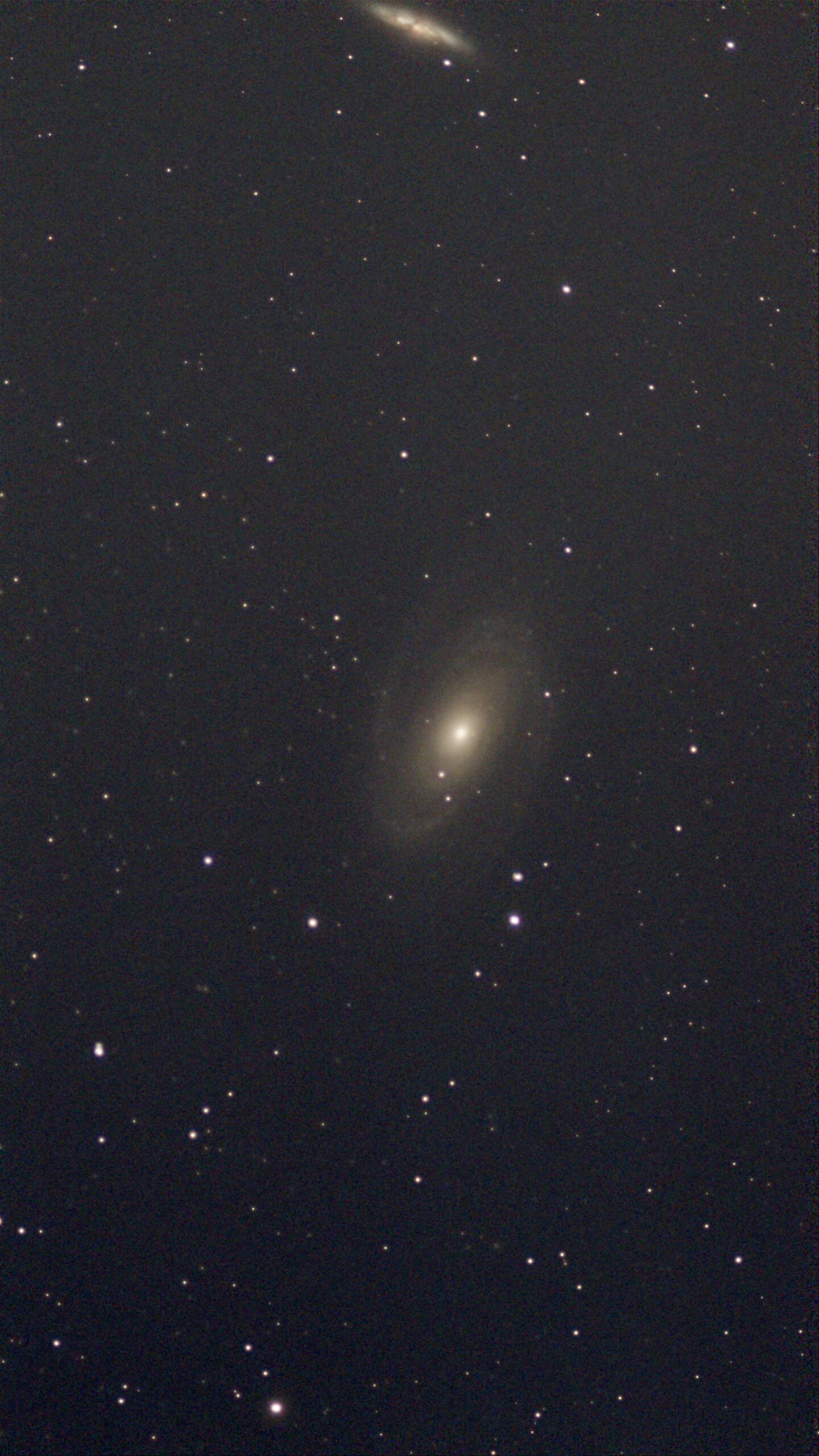
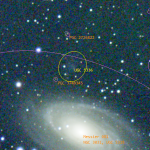
Messier 81 (M81), or Bode’s Galaxy, is a grand design spiral galaxy in the constellation of Ursa Major. M81 about 12 million light-years from Earth. This is a SeeStar live enhancement of 40 x 30 second exposures with the SeeStar IRCUT filter. That’s M82, the Cigar Galaxy, at the top just inside the frame.
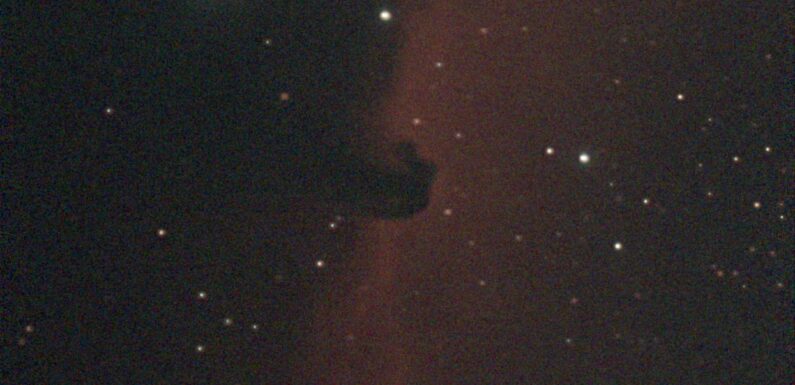
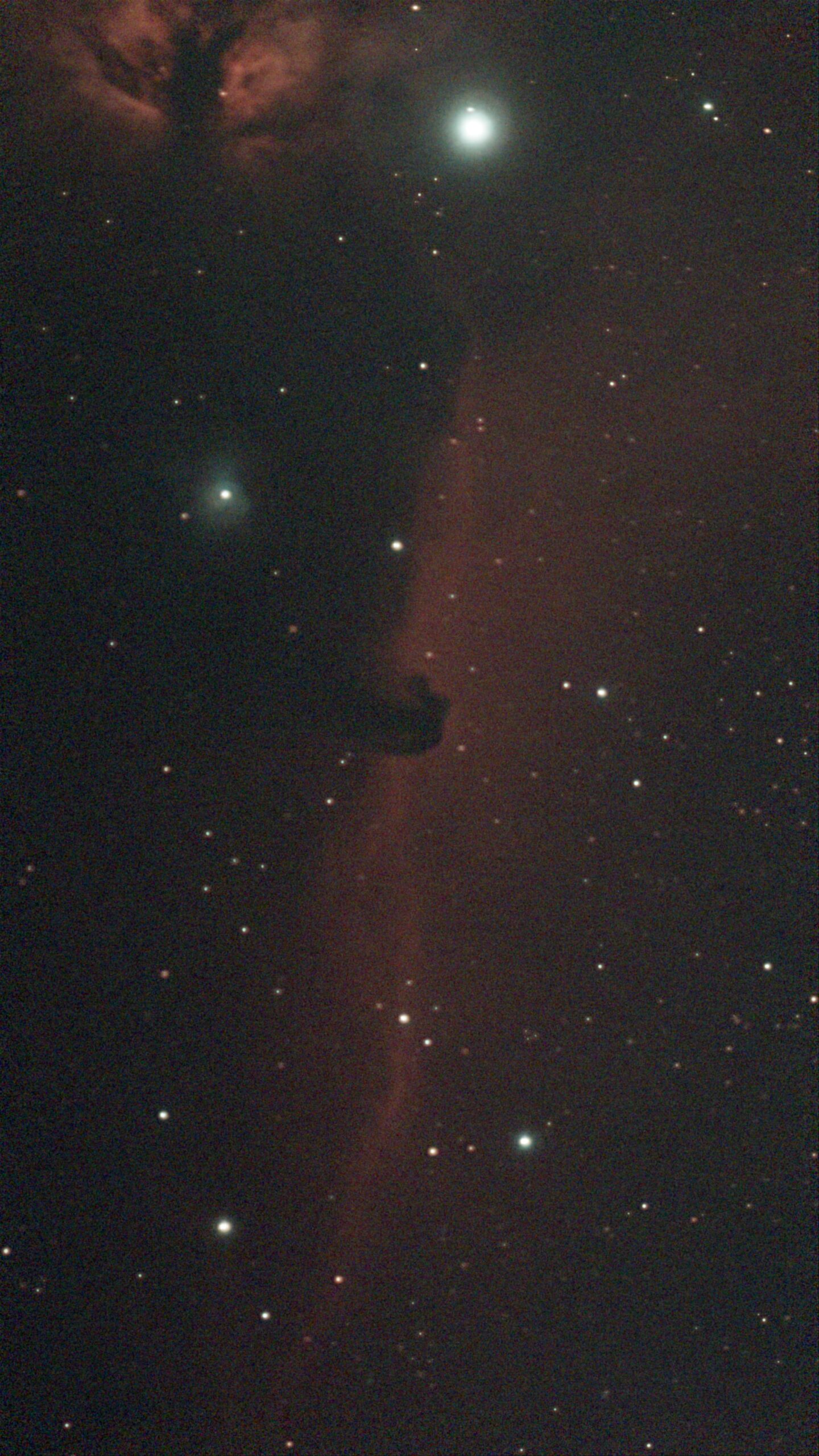
IC 434, the Horsehead Nebula, is a bright emission nebula in the constellation of Orion. The Horsehead Nebula is approximately 1260 light-years from Earth. This is a SeeStar live enhancement of 40 x 30 second exposures with the SeeStar Light Pollution (LP) Filter.
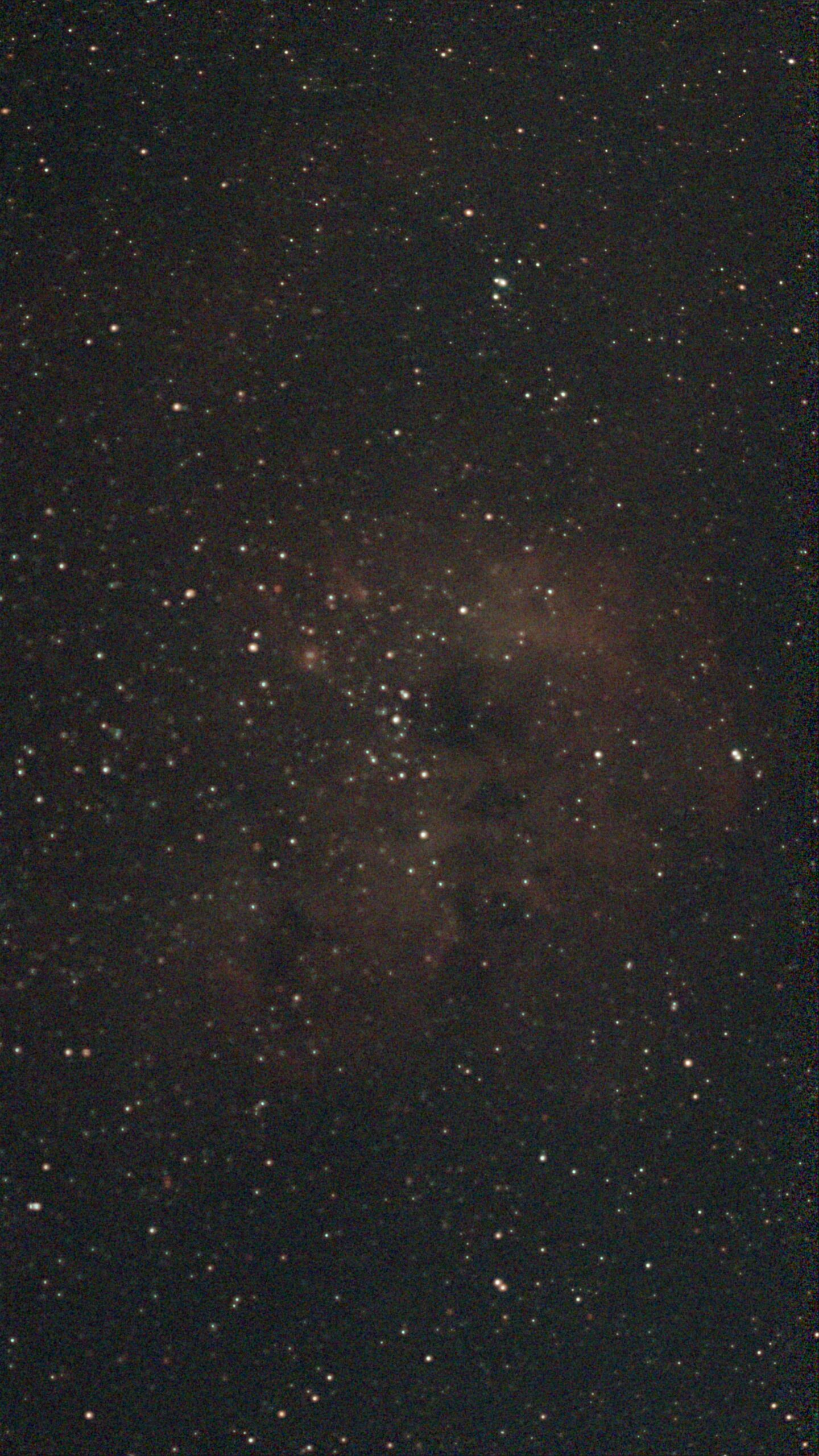
IC 410, the Tadpole Nebula, is an emission nebula in the constellation of Auriga. This emission nebula is about 12000 light-years from Earth. This is a SeeStar live enhancement of 30 x 30 second exposures with the SeeStar LP Filter.
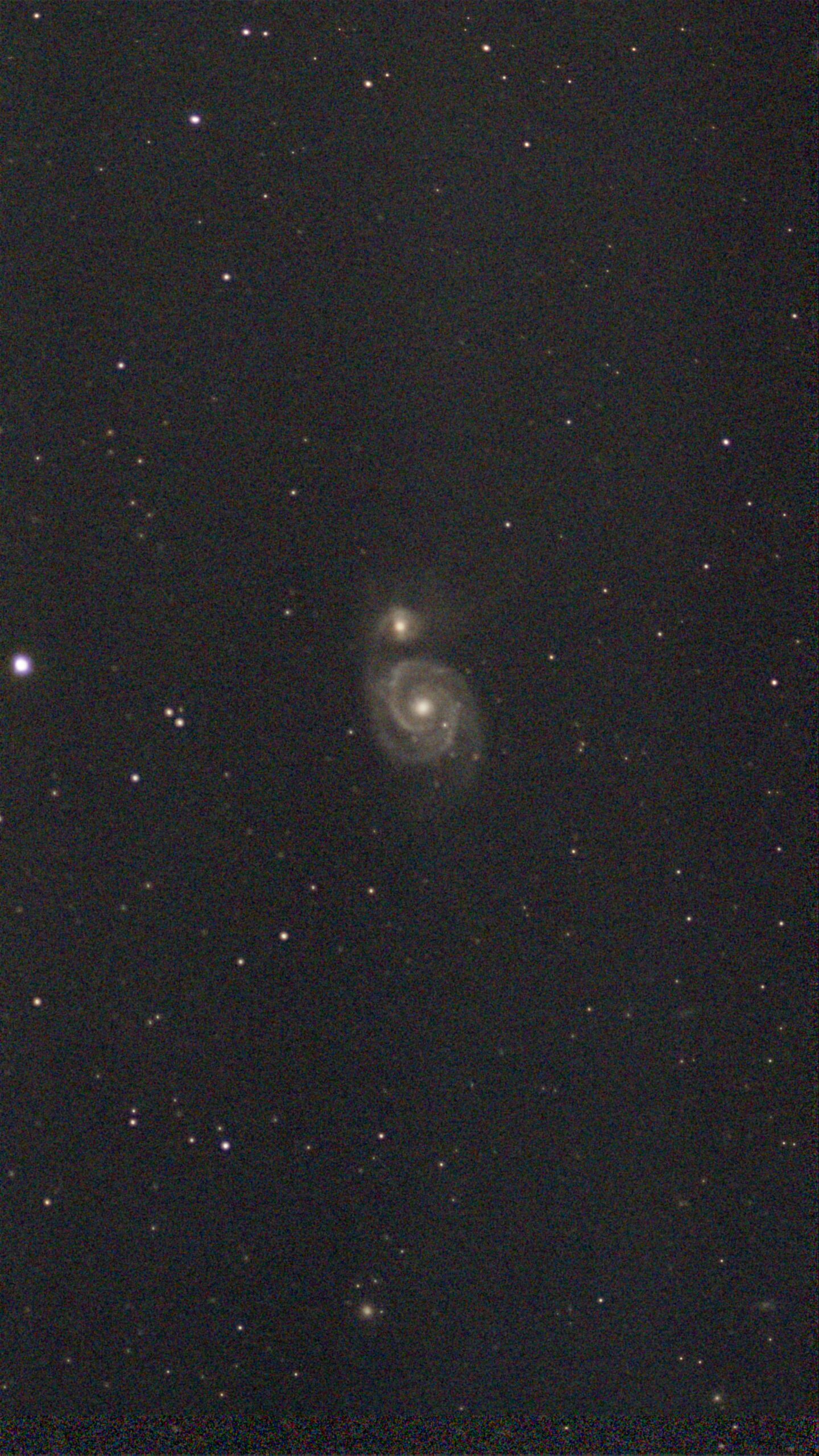
Messier 51 (M51), the Whirlpool Galaxy, is a grand-design spiral galaxy interacting with NGC 5195. M51 is approximately 31 million light-years from Earth. This is a SeeStar live enhancement of 30 x 30 seconds with the SeeStar IRCUT filter.
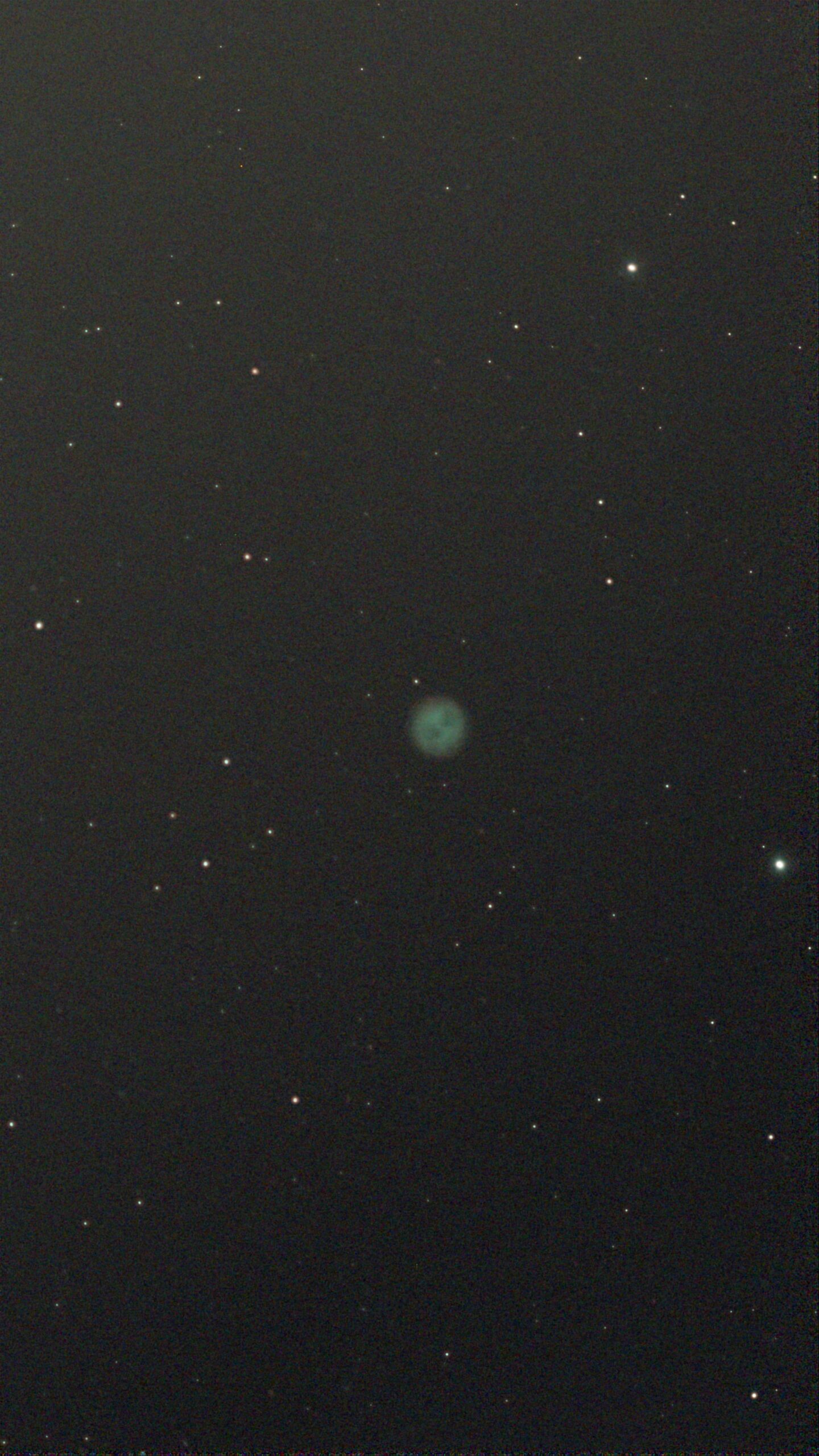
Messier 97 (M97), the Owl Nebula, is a planetary nebula in the constellation of Ursa Major. The Owl Nebula is about 2030 light-years from Earth. This is a SeeStar live enhancement of 30 x 30 second exposures with the SeeStar LP Filter.
This one is a new one for my SeeStar Messier List.
Overall a nice night. I have some traveling coming up so my regular rig is put away right now, but it will be back out soon.